


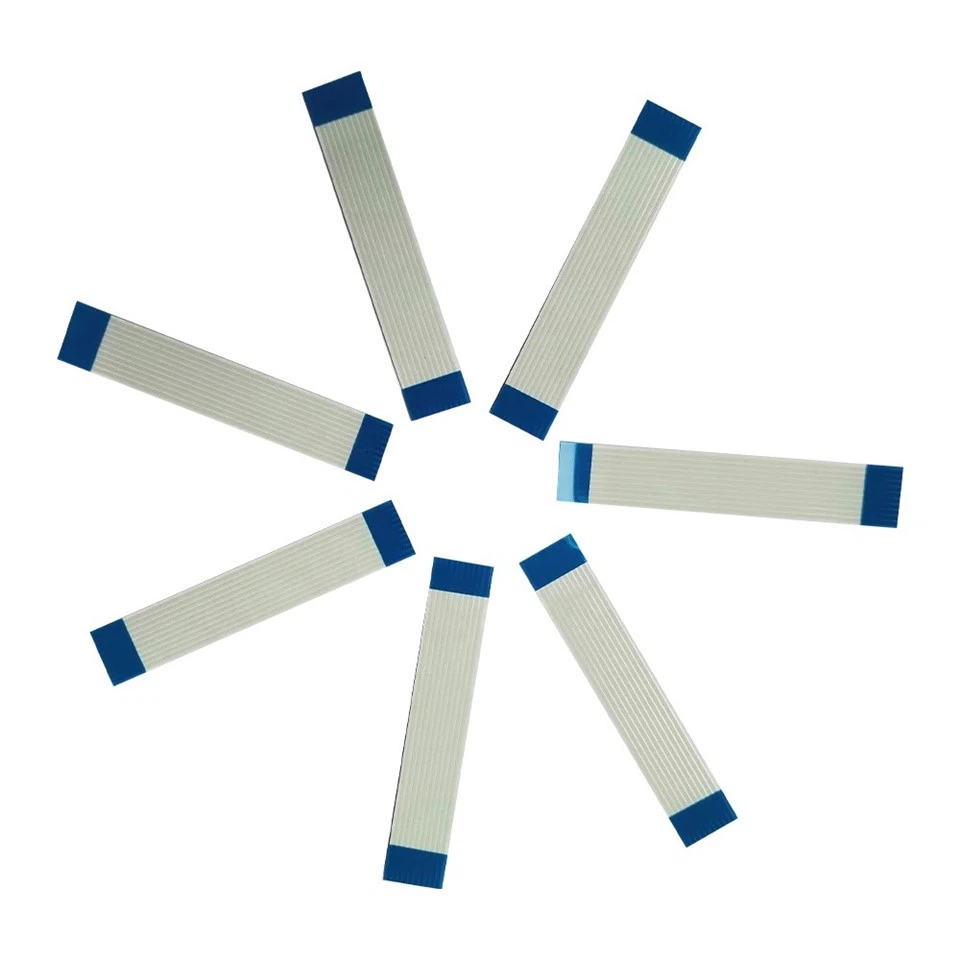
Hey there! As a supplier of high flex ribbon cables, I've been diving deep into the world of wireless charging applications. High flex ribbon cables, also known as flexible flat cables (FFCs), are super important in this field. They've got to meet some specific design needs to work well in wireless charging setups. So, let's talk about the key design considerations for these cables in wireless charging.
Electrical Performance
First off, electrical performance is a big deal. In wireless charging, the cable needs to handle the right amount of current and voltage. We don't want any power loss or signal interference. The conductivity of the conductors in the ribbon cable is crucial. Copper is a popular choice because it's got great conductivity. But we also have to think about the thickness and width of the copper traces. A thicker trace can carry more current, but it might make the cable less flexible. So, it's all about finding that sweet spot.
Another aspect of electrical performance is impedance matching. In wireless charging systems, the cable needs to match the impedance of the charging circuit. If there's a mismatch, it can lead to signal reflections and reduced charging efficiency. We use special design techniques to make sure the impedance is consistent along the length of the cable. This helps to keep the power transfer smooth and efficient.
Flexibility and Durability
The "high flex" in high flex ribbon cable means it has to be able to bend and flex a whole bunch of times without breaking. In wireless charging applications, the cable might be moved around a lot, especially in devices that are portable or have moving parts. We use thin, flexible materials for the insulation and conductors to make the cable more bendable.
But flexibility isn't the only thing. The cable also has to be durable. It needs to withstand wear and tear, as well as environmental factors like heat and humidity. We use high - quality insulation materials that are resistant to these conditions. Some of the common insulation materials include polyimide and polyester. These materials not only provide good electrical insulation but also have good mechanical properties, which help the cable last longer.
Size and Shape
Size matters in wireless charging. The cable has to fit into the tight spaces of the charging device. We design high flex ribbon cables to be as thin and flat as possible. This makes them easy to integrate into small devices like smartphones, smartwatches, and wireless earbuds.
The shape of the cable is also important. We can customize the shape of the ribbon cable to fit the specific requirements of the charging application. For example, we can make the cable have a curved or angled shape to follow the contours of the device. This allows for a more efficient use of space and a better overall design.
EMI/RFI Shielding
Electromagnetic interference (EMI) and radio - frequency interference (RFI) can be a problem in wireless charging. These interferences can disrupt the charging process and cause issues with other electronic components in the device. To combat this, we add shielding to the high flex ribbon cable.
The shielding can be made of materials like copper foil or conductive polymers. It acts as a barrier, preventing the EMI/RFI from getting into the cable and affecting the electrical signals. We make sure the shielding is properly grounded to the device's chassis to maximize its effectiveness.
Connector Compatibility
A high flex ribbon cable is no good if it can't connect properly to the charging device. We have to make sure the cable is compatible with the connectors used in the wireless charging system. There are different types of connectors available, such as Flexible Flat Cable Connector.
We design the cable ends to fit these connectors snugly. This ensures a reliable electrical connection and reduces the risk of signal loss or disconnection. The connectors also need to be easy to install and remove, especially in applications where the cable might need to be replaced or serviced.
Thermal Management
Wireless charging can generate heat, and the high flex ribbon cable has to be able to handle it. Excessive heat can damage the insulation and conductors of the cable, leading to reduced performance and a shorter lifespan. We use materials with good thermal conductivity in the cable design.
Some cables also have special heat - dissipation features, such as heat sinks or ventilation channels. These help to transfer the heat away from the cable and keep it at a safe operating temperature. This is especially important in high - power wireless charging applications.
Cost - Effectiveness
Last but not least, we have to consider cost - effectiveness. We want to provide high - quality high flex ribbon cables at a reasonable price. We optimize the design and manufacturing process to reduce costs without sacrificing performance.
For example, we use cost - effective materials without compromising on the electrical and mechanical properties. We also streamline the production process to increase efficiency and reduce waste. This allows us to offer competitive prices to our customers.
Applications in Different Devices
High flex ribbon cables are used in a wide range of wireless charging devices. In smartphones, they are used to connect the wireless charging coil to the motherboard. The cables need to be flexible enough to withstand the bending and twisting that can occur when the phone is moved around.
In smartwatches, the cables are even smaller and more flexible. They have to fit into the limited space of the watch and be able to handle the high - frequency signals used in wireless charging. Flexible Flat Cable for High Frequency is often used in these applications.
In larger devices like laptops and tablets, the high flex ribbon cables are used to connect the wireless charging module to the power supply and other components. They need to be able to carry higher currents and have good shielding to prevent interference.

Conclusion
So, there you have it! These are the main design considerations for high flex ribbon cables in wireless charging applications. As a supplier, we focus on all these aspects to provide the best possible cables for our customers. Whether it's electrical performance, flexibility, size, or cost - effectiveness, we make sure our cables meet the high standards of the wireless charging industry.
If you're in the market for high flex ribbon cables for your wireless charging products, we'd love to talk to you. We can offer customized solutions based on your specific requirements. Just reach out, and let's start a conversation about how we can work together to make your wireless charging devices even better.
References
- "Handbook of Flexible Flat Cable Technology"
- "Electrical Engineering Principles for Wireless Charging Systems"
- "Materials Science in Flexible Cable Design"